Industry News2026-05-20
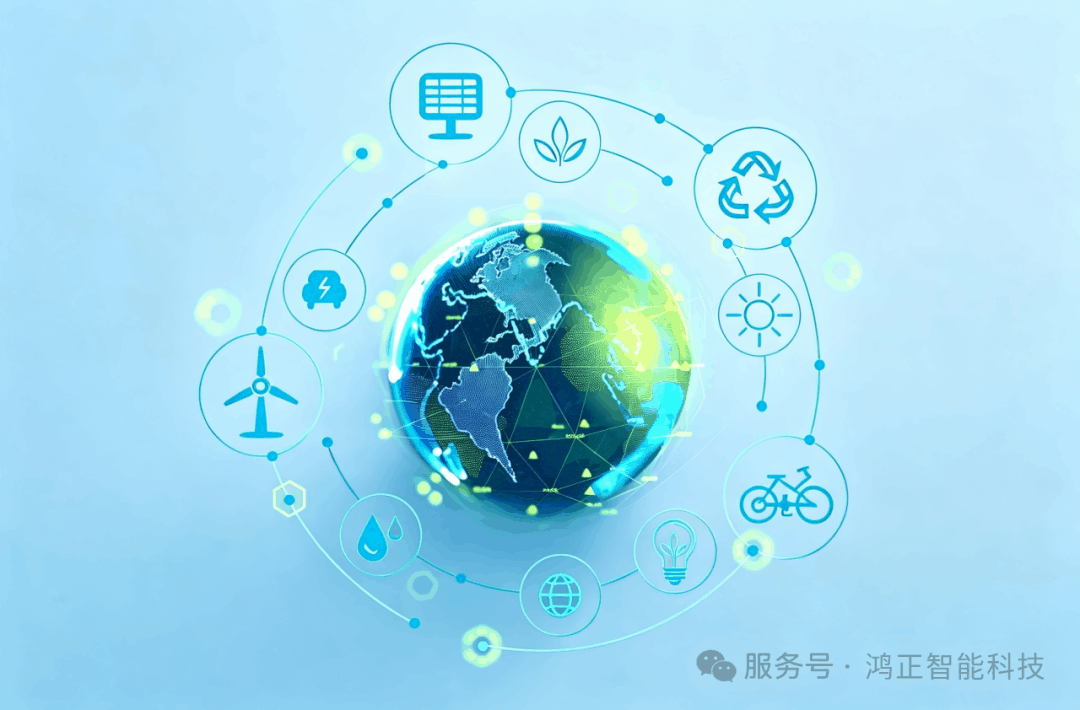
Building a Global Energy Internet: Enabling Clean Energy to Cross Mountains and Seas for Global Sharing
Share to:

CLEAN ENERG

Enabling clean energy to cross mountains and seas, achieving global sharing

Global Energy Interconnection

Development & Cooperation & Community

Global Energy Internet

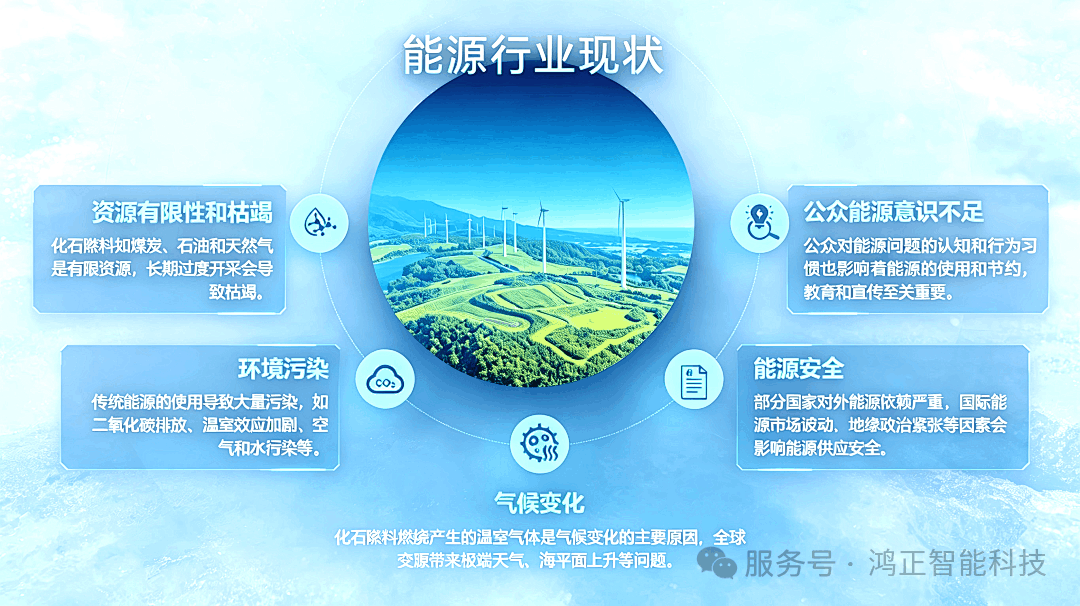
Currently, the global energy landscape is undergoing profound adjustments. Fossil fuels still account for more than 80% of primary energy consumption, with challenges such as tightening resource constraints, intensifying climate warming, and insufficient access to electricity in some regions.

Facing the dual pressures of energy transition and climate governance, building a global energy internet and promoting cross-regional and cross-border optimal allocation of clean energy has become a key path to achieving green and low-carbon transformation.


01

Spatial mismatch between resource and load centers

Resource and load center

There is a significant spatial mismatch between the global distribution of clean energy resources and energy consumption centers, which is the fundamental logical starting point for building a global energy internet.

01

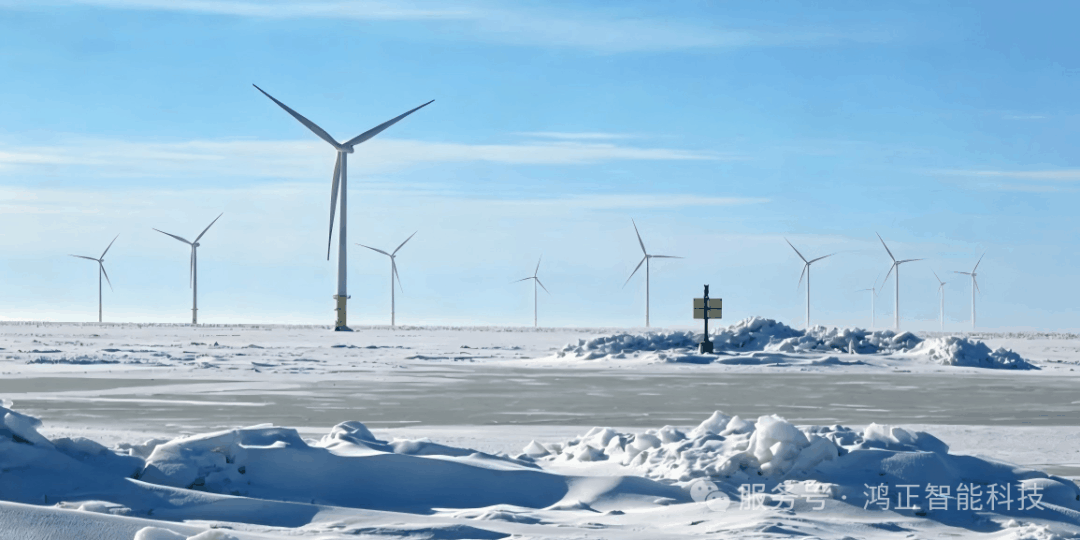
Arctic Circle wind energy belt: /Wind Energ/

Northern Europe, Siberia, northern Canada, and Alaska have over 4,000 effective wind hours per year, containing large-scale polar wind energy resources. However, they are far from major load centers in Eurasia, so local absorption capacity is extremely limited.


02

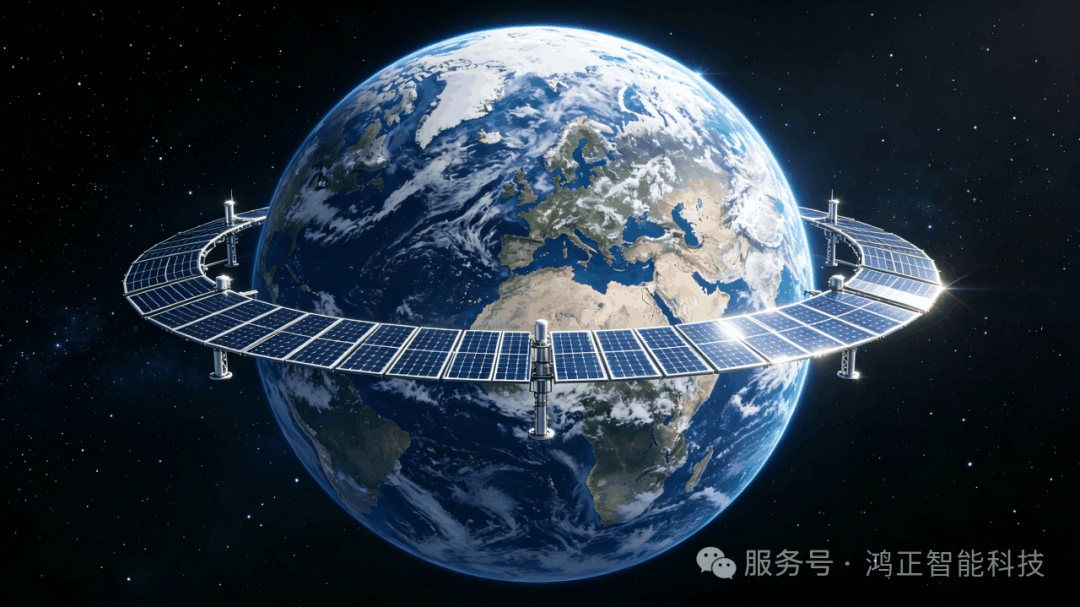
Equatorial "solar belt": /Solar Energy/

From the Sahara in North Africa and the Arabian Peninsula in the Middle East to Rajasthan in India and the Red Soil Center in Australia, the annual sunshine exceeds 2,000 hours, giving huge potential for solar energy development. However, it also faces bottlenecks such as insufficient local electricity demand and a lack of outbound transmission channels.

Picture


03

Global South Hydropower Belt: /Hydro Energy/

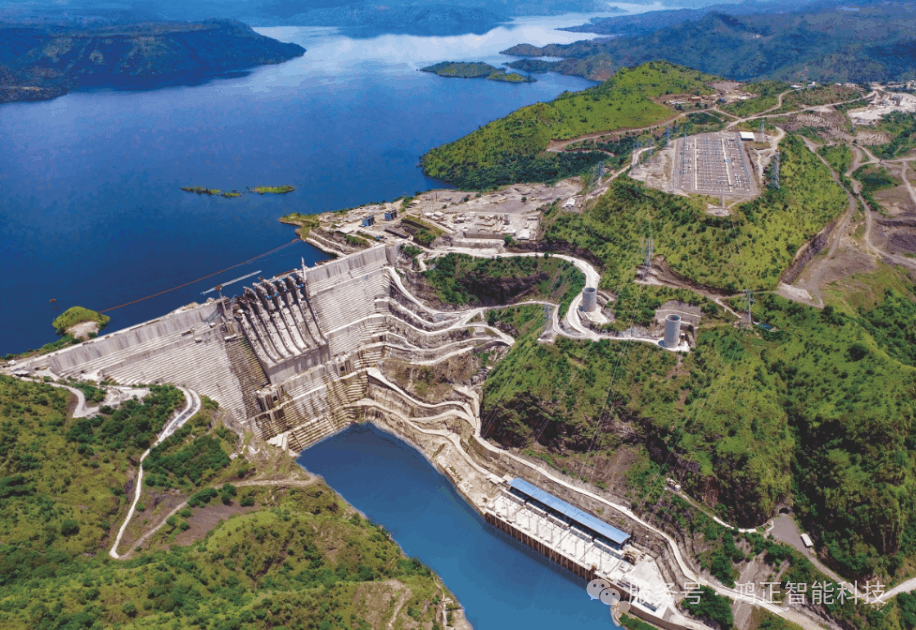
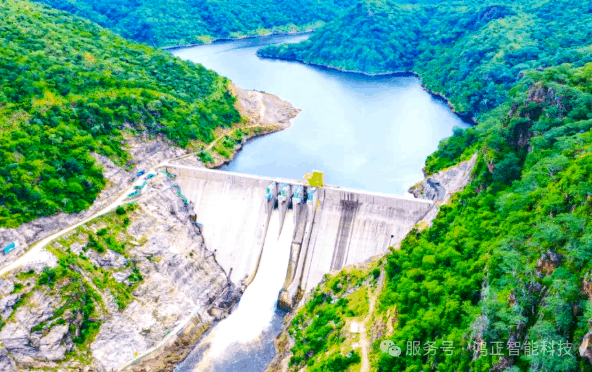
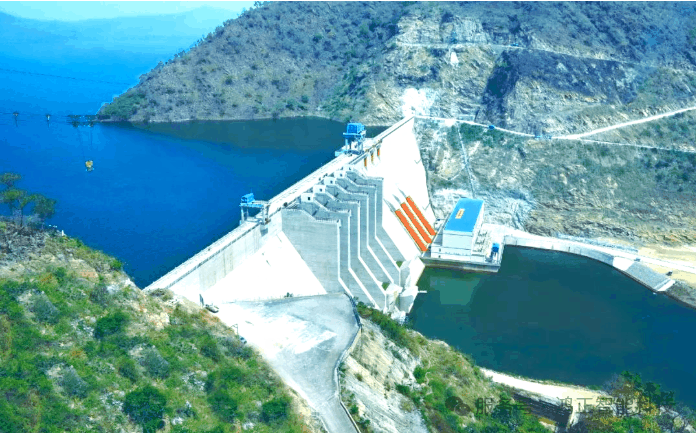
World-class rivers such as the Congo and Amazon, combined with terrain differences like the East African Rift Valley and the Brazilian Plateau, combined with abundant rainfall, create excellent conditions for large-scale hydropower development. Projects such as the Ethiopia Reconstruction Dam and the Itaipu Hydropower Station in Brazil have validated the development value of this endowment, but the degree of regional grid interconnection is low, making large-scale optimization difficult.

Hydroelectric station


02

Geopolitics and the climate crisis are intertwined
Geopolitics and Climate Crisis

In recent years, the global energy security and climate governance landscape has become increasingly complex, further highlighting the urgency of building a stable and diverse global clean energy sharing network.

The Middle East remains volatile, with shipping disruptions in the Strait of Hormuz directly affecting about 20% of global oil and liquefied natural gas supply, exposing the vulnerability of fossil energy trade routes.

Some countries are increasing investments in fossil fuels, which contrasts with major economies like China and Europe pushing emission reductions, putting global climate governance at risk of fragmentation


Against this backdrop, the Global Energy Internet Development Cooperation Organization (GEIDCO) released the "Global Energy Internet Development and Outlook 2025," which clearly points out: the next decade is a critical window for the global energy internet to move from initiatives to action, and from local to global initiatives.

The plan proposes that by 2035, a "seven horizontal and eight vertical" interconnected corridor will be formed, and by 2050, the "nine horizontal and nine vertical" global backbone grid will be basically completed. This medium- and long-term judgment is being rapidly confirmed by reality—in May 2026, the Asian Development Bank announced a $5 billion Pan-Asian grid plan at its Samarkand annual meeting, aiming to integrate regional renewable energy through multinational grids, enhance energy security, and reduce emissions. This marks the transition from the blueprint of the global energy internet to implementation.


03

Core technologies of the energy internet
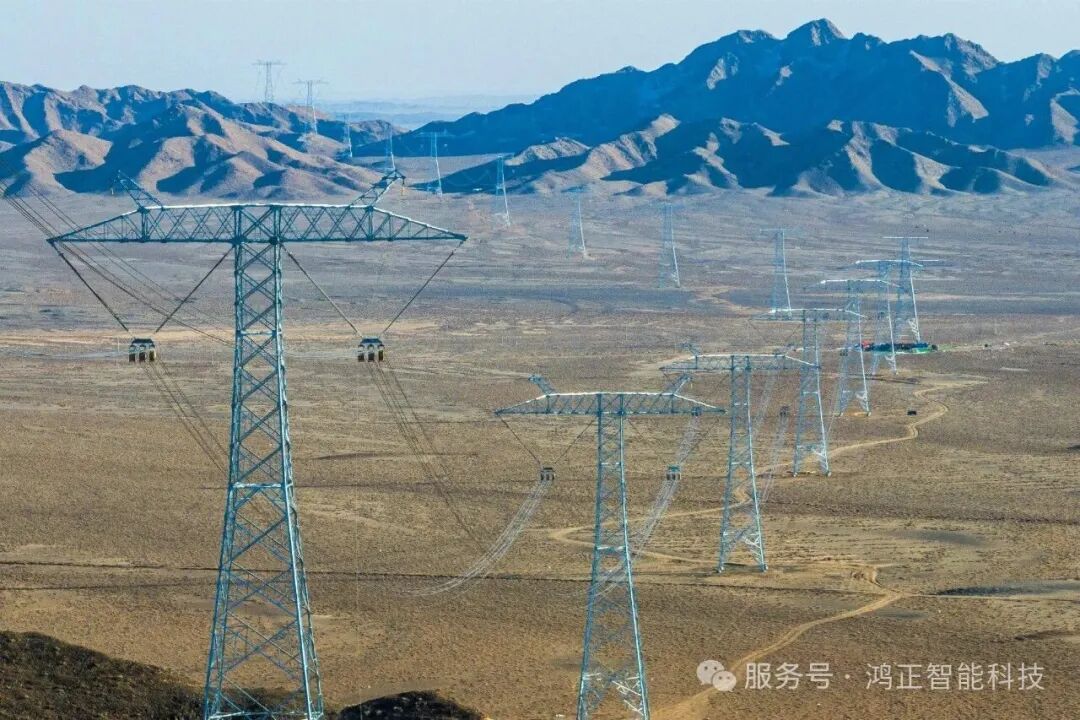
Energy Internet technology

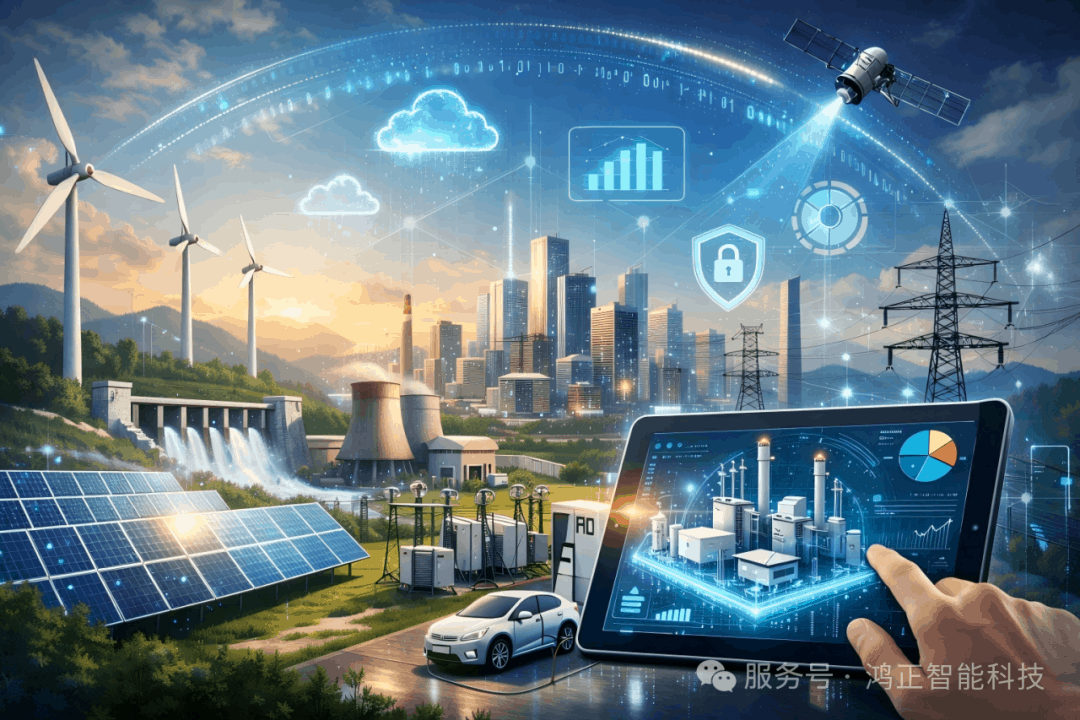
The implementation of the global energy internet relies on the coordinated efforts of three major technology systems: ultra-high voltage transmission, artificial intelligence dispatch, and pan-energy big data, providing the physical foundation and intelligent brain-system integration capabilities for clean energy shared across mountains and seas.

01

Ultra-High Voltage Transmission:

The physical foundation of intercontinental power interconnection

Ultra-high voltage transmission is the core technology for long-distance, low-loss clean energy transmission. China has established a mature technical system and engineering experience in this field, capable of transmitting clean energy from the west across thousands of kilometers to the eastern load center, with transmission losses far lower than those of traditional voltage-level grids.

Today, this technology is extending globally: from Arctic wind power bases to equatorial photovoltaic hubs, from African hydropower hubs to the Central Asian wind corridor, UHV DC corridors are becoming the energy arteries connecting clean energy bases and load centers across continents. UHV not only solves the problem of "whether there is electricity," but also addresses the core bottleneck of "whether it can transmit power over long distances with low loss," thoroughly solving the problem of separating clean energy resources from load center space.

02

Artificial Intelligence:

The smart hub for global grid dispatch

The volatility, randomness, and intermittency challenges brought by large-scale grid integration of new energy are becoming increasingly prominent. Traditional scheduling models are no longer suitable, and artificial intelligence is becoming a key support for solving these problems.

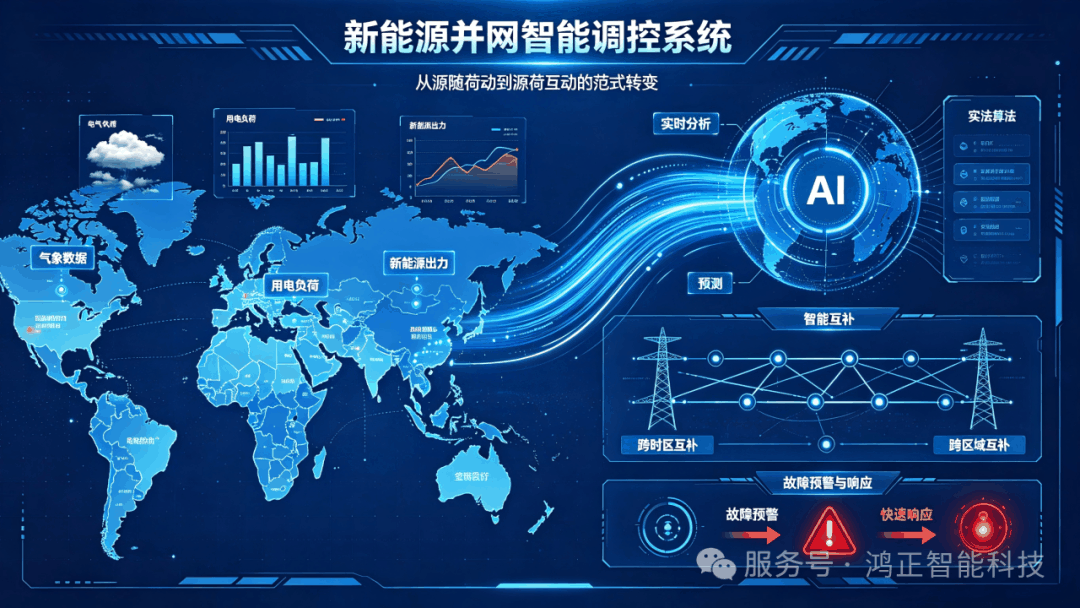
By using AI algorithms to analyze and predict global meteorological data, electricity loads, and new energy output in real time, the system enables intelligent complementarity of clean energy across time zones and regions, maximizing the consumption of wind and solar resources. At the same time, intelligent digital technology can provide precise fault warnings and rapid response to the grid, enhancing the safety and stability of the main grid. This enables clean energy worldwide to be "accurately seen, mobilized, and delivered," achieving a paradigm shift from "source follows load movement" to "source-load interaction."

03

Pan-Energy Big Data:

From single interconnection to system integration

If ultra-high voltage and AI are the "skeleton" and "brain" of the energy internet, then data is the "blood" flowing within it. At the beginning of 2026, the "Pan-Energy Big Data" concept proposed at the International Conference on Sustainable Energy Economy is taking this vision to new heights.

The core logic is that energy is not just the physical flow of electricity, but also the hub for multidimensional social operations. By breaking down data barriers in energy, economy, environment, and markets, a comprehensive data platform covering energy flow, information flow, carbon flow, and value flow is being built, achieving full-chain coordination of energy development, transmission, trading, and carbon reduction, providing data support and decision-making basis for cross-border green electricity trading, precise carbon reduction across the entire industry chain, and global energy collaborative governance.

Relying on this facility, plans such as "Green Manufacturing in China" have launched full-chain precise carbon reduction solutions, providing an open cooperation platform for global energy coordinated development.


04

From China's initiatives to global joint actions
Action to win-win cooperation

Technical feasibility requires institutional protection; the global energy internet has shifted from conceptual consensus to global coordinated action, forging a path of multilateral cooperation based on consultation, joint construction, and shared benefits.

Initiated by China, the Global Energy Internet Development Cooperation Organization (GEIDCO) is the first international organization in the energy sector initiated by China. After ten years of development, it has brought together 145 countries and 1,450 members, building a three-dimensional cooperation system covering enterprises, think tanks, universities, and financial institutions, becoming the core platform for global energy sharing. Its positioning is not to participate in specific projects in a single country, but to build a multilateral platform for consultation, co-construction, and sharing, promoting the efficient global circulation of resources, technology, knowledge, and capital, and turning clean energy sharing from a concept into a mechanism, and from a mechanism into action.

The organization focuses on five major areas to advance international standard development: high-proportion grid connection of power electronic equipment, transnational flexible DC transmission, new energy storage, digital intelligent dispatching, and cross-border power markets and carbon emission coordination mechanisms, aiming to reduce cross-border cooperation costs and break down technical and regulatory barriers through unified standards. At the same time, the Global Energy Internet Initiative has been deeply embedded in the United Nations Sustainable Development Agenda, the Paris Agreement, the Belt and Road Initiative, China-Africa, China-Arab countries, and other multilateral mechanisms, becoming an important framework for global climate and energy governance.

Through capacity building, technology sharing, and mutual financial assistance, the global energy internet helps developing countries transform their clean energy resource advantages into development advantages, comprehensively enhance grid construction, operation and maintenance, and energy transition capabilities, achieve low-cost, large-scale development of clean energy, and make the energy transition fairer, more inclusive, and more inclusive.


05

From Concept to Reality:
The Accelerated Formation of Global Energy Sharing
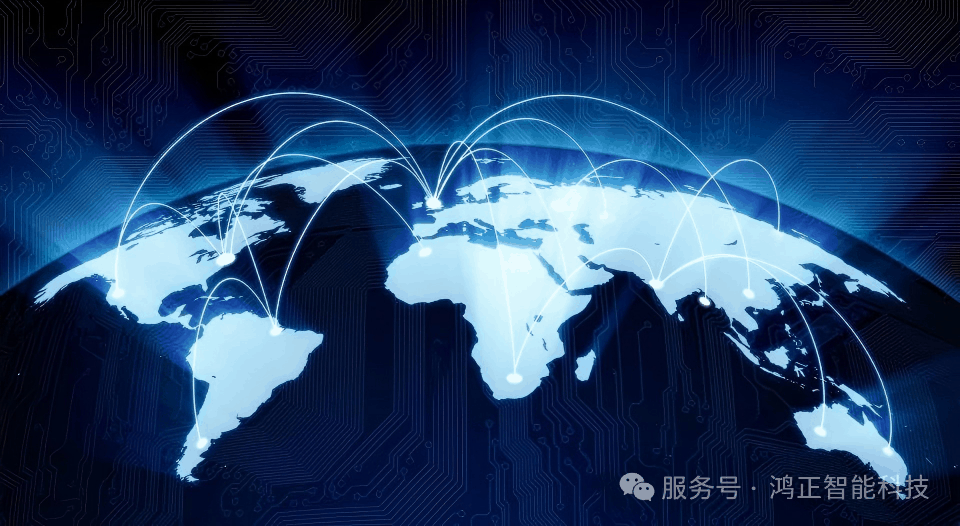
Concept to implementation 

The global energy internet has gone through a complete journey from concept to consensus, from consensus to action, and from action to initial results.

01

The success of the China-Laos power trade validates the commercial viability of cross-border clean energy transactions

02

The launch of the Vienna Initiative marks a new phase in European regional connectivity

03

The advancement of the Pan-Asia power grid demonstrates the broad prospects for regional energy integration in Asia

04

The exploration of carbon market interconnection opens new channels for realizing the value of clean energy

These practices send the same signal: a new global energy landscape led by cleanliness, electricity-centric, interconnected, and smartly efficient is rapidly taking shape. Clean energy transcends mountains and seas to achieve global sharing, moving from a vision to reality.


A revolution in energy

An expedition about humanity's future

Sustainable development is a common pursuit of all countries, and multilateral cooperation is an important path to achieving sustainable development.

Building a global energy internet by strengthening multilateral energy cooperation, technology sharing, mutual financial assistance, capacity building, and interconnection of power grid infrastructure. Helping developing countries advance clean energy development at low cost and scale, achieving a fair, just, inclusive, and inclusive energy transition.

Clean energy flows freely across borders, allowing green power to be shared in every corner, essentially building a more inclusive, safer, and more sustainable global energy governance order.


When the winds of the Arctic, the light of the Sahara, and the water of the Amazon transform into globally shared green electricity, humanity will usher in a truly inclusive and sustainable future.

This is not just a dream, but a reality our generation is writing—building a global energy internet, enabling clean energy across mountains and seas to achieve worldwide sharing.