


- Industry News2026-05-14
- Light Chasing Chronicle: A "Sunlight Relay Race" Across Half the Earth


45°N Golden Photovoltaic Belt:
01
A natural sunshine belt gifted by the Earth
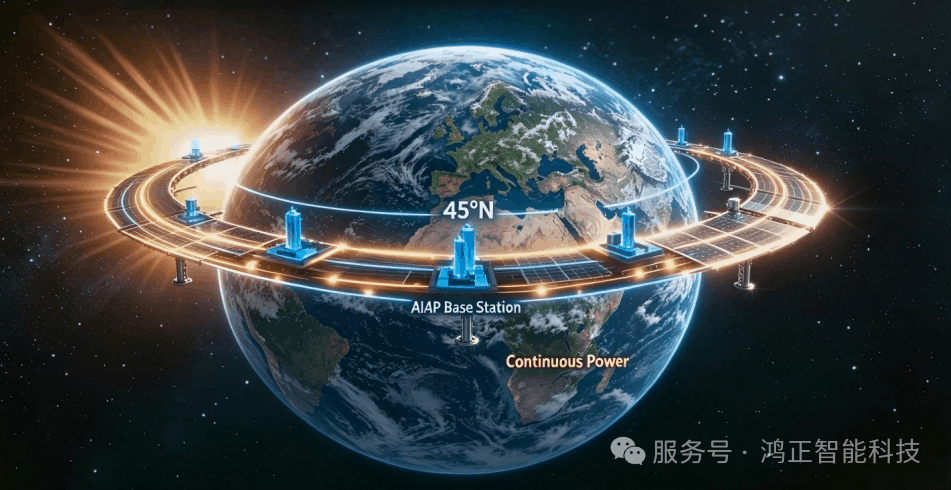
This latitude belt is called the "Golden Photovoltaic Belt" by energy experts. Why is that? Because the solar resources here are truly abundant.
Opening the world map, the 45° north latitude line runs east to west. It starts in Madrid, Spain, passes through southern France, northern Italy, the Balkan Peninsula, crosses the Central Asian grasslands, passes through Xinjiang and Inner Mongolia in China, extends all the way to Northeast Asia, then crosses the Pacific Ocean, and reaches the Great Lakes region of the United States and southern Canada.
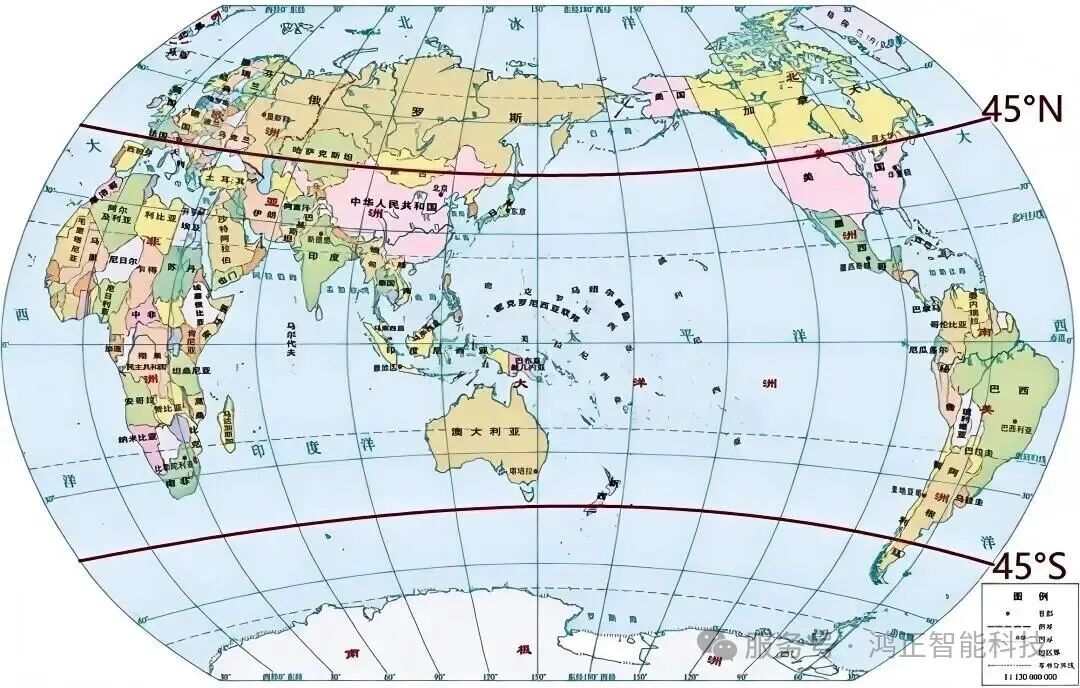
This seemingly ordinary latitude line happens to connect the world's richest solar energy belt. From the edge of the Sahara in North Africa to the grasslands of Kazakhstan in Central Asia, and then to the Gobi Desert in northwest China, this area is truly Earth's "photovoltaic treasure trove"—with long annual sunshine hours and intense solar radiation, and vast deserts providing ample land space. Meanwhile, this area enjoys many sunny days, little dust, and moderate temperatures. Photovoltaic modules not only generate electricity efficiently but also degrade slowly, making it an ideal location for building large-scale photovoltaic bases.
Chasing the Light:
02
Overcoming bottlenecks in photovoltaic energy
Traditional photovoltaic power stations are affected by day-night cycles and weather changes, resulting in intermittent and volatile limitations, while the geographic phenomenon of Earth's rotation brings natural time zone complementarity, breaking geographical limitations. Let dispersed "sunlight resources" form a flowing energy network.
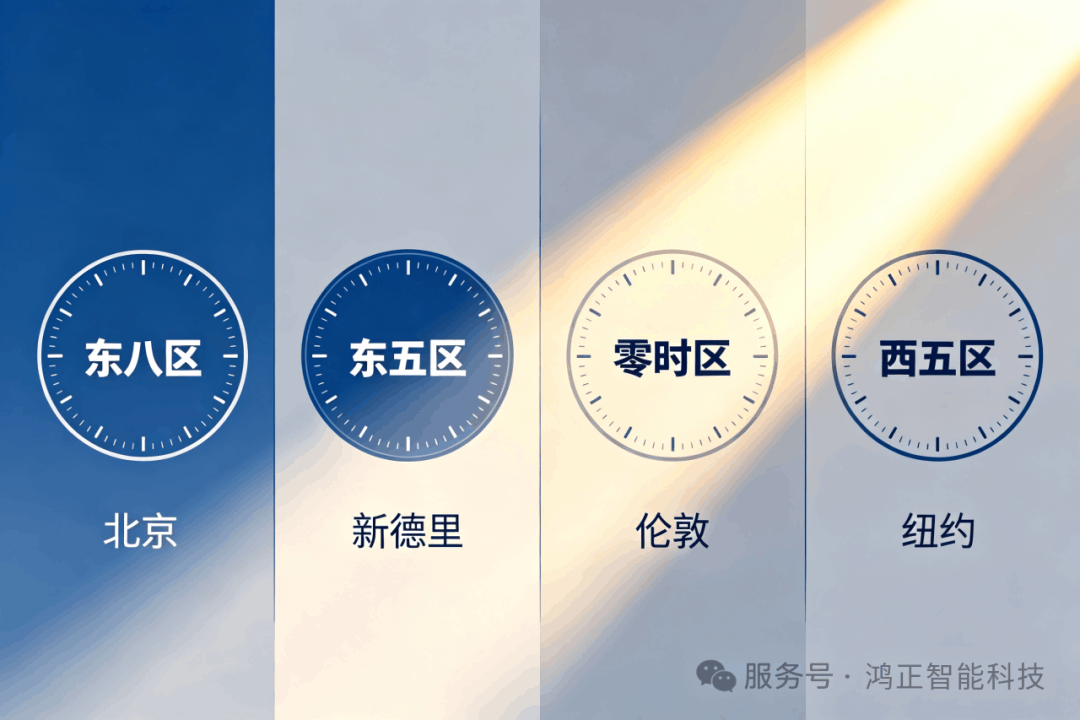
Imagine: when Beijing's city lights come on (East District 8 in the evening), Central Asia and Kazakhstan (East District 5) are still bathed in afternoon sunlight; At dusk in London (zero time zone, dusk), New York (West Zone 5) is at noon under the scorching sun. At the 45°N latitude zone, when one power station turns into night while another is basking in sunlight, clean energy bases can sequentially "relay power generation" along the Earth's rotation direction from East Asia to Europe and then North America. In theory, this "solar relay chain" can provide 24-hour uninterrupted clean energy supply, giving intermittent solar energy the first opportunity to become a "baseload power source," solving the intermittent problem of photovoltaic "dependence on the weather."
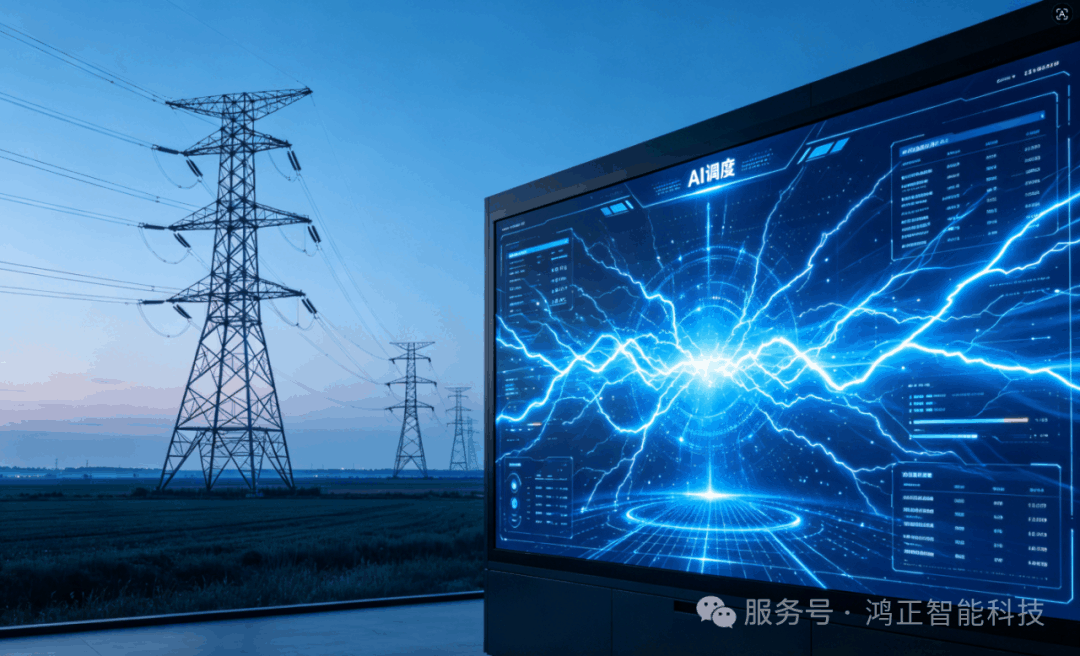
Clean electricity is transmitted across time zones via ultra-high voltage channels, greatly improving supply stability and transforming desert solar resources, which were previously difficult to absorb locally, into "green electricity" that benefits the world. Through a globally connected grid, electricity is "chasing the sun" in real time. Combined with AI intelligent scheduling, it can match sunlight, load, and grid status in real time, ensuring every ray of sunlight is precisely delivered where it is needed most, greatly improving energy efficiency. Turning scattered sunlight into stable "global green electricity"
New Silk Road Journey:
03
From Tuoling Trade Road to the Power Corridor
If you put the ancient Silk Road roadmap alongside the 45°N golden photovoltaic belt, you'll find a remarkable coincidence: the two overlap so much.
Two thousand years ago, camel caravans set out from Chang'an, passing through the Hexi Corridor, the northern and southern Tianshan Mountains, the Central Asian grasslands, and reaching the eastern Mediterranean coast, becoming the first civilizational corridor in human history to cross Eurasia. Today, the four major solar clusters in Europe, North Africa, Central Asia, and Northwest China have begun to take shape, and the blueprint for ultra-high voltage lines is extending along a similar trajectory. This is no coincidence—the Silk Road was the optimal route humans found on the Eurasian continent: avoiding mountains and seas, connecting oases and grasslands, linking civilizational nodes. From the edge of the Sahara in North Africa to the grasslands of Kazakhstan in Central Asia, and then to the Gobi Desert in northwest China, a natural transcontinental energy corridor has formed.
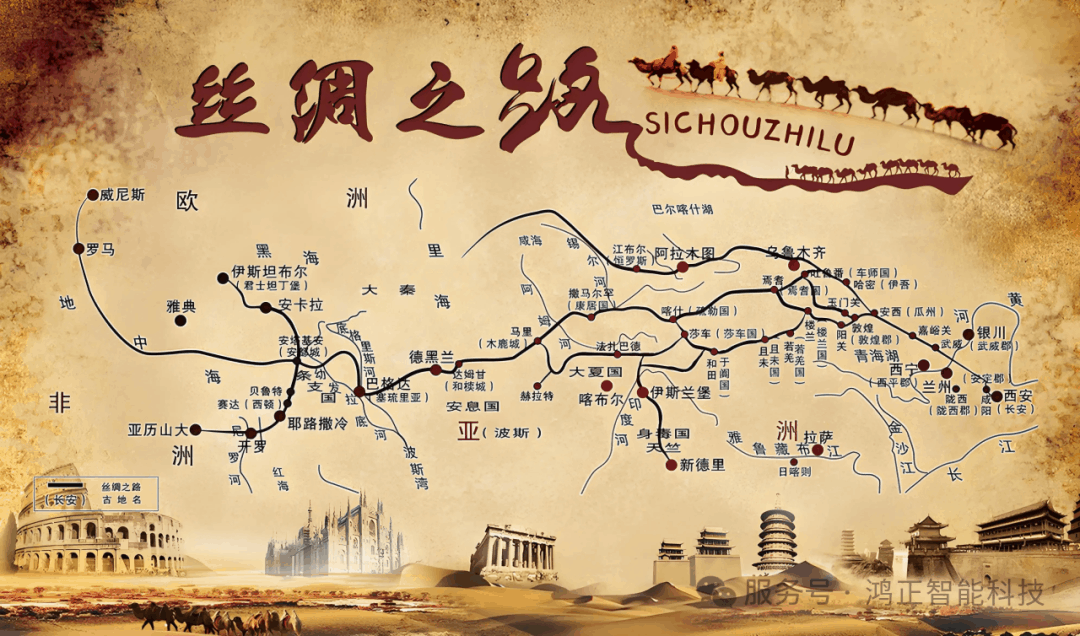
In ancient times, the Silk Road transported silk, porcelain, and spices; today, the "Electric Silk Road" delivers clean electricity. From "interconnection of goods" to "interconnection of energy," the essence of the Silk Road has never changed: connecting the largest markets at the lowest cost, efficiently connecting resource-rich areas with demand centers.
Today, photovoltaic technology has transformed deserts and Gobi into "blue oceans," ultra-high voltage transmission enables clean electricity across thousands of kilometers, and energy storage technology transforms intermittent sunlight into stable and reliable energy. These technological breakthroughs are spreading new energy networks across the Eurasian continent along the ancient trade routes.
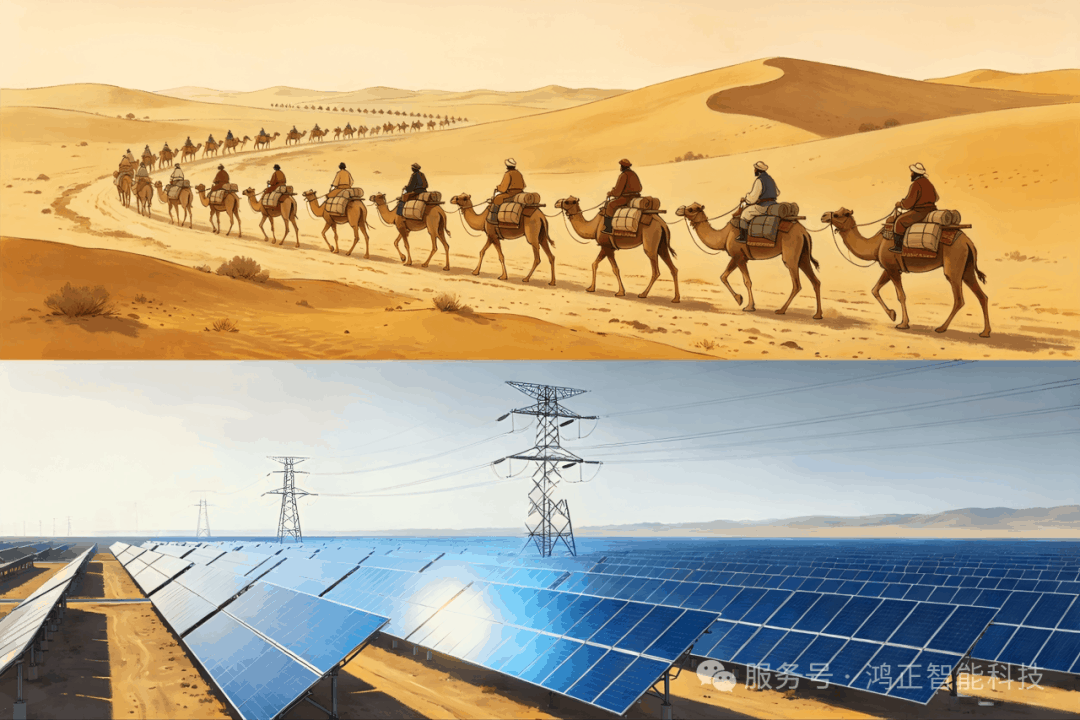
It is not just about power interconnection but also a transformation of development paradigms: using clean electricity as a carrier to help countries along the route break free from dependence on fossil energy and move toward green, low-carbon development; Using win-win cooperation as a link, countries with different development levels can complement each other's strengths in energy transition, achieving a "1+1>2" synergistic effect. From desert photovoltaics in North Africa to wind power bases in Central Asia, and then to hydropower grids in Southeast Asia, a new type of open cooperation corridor is taking shape that shares green technologies, climate responsibilities, and development opportunities.
But today's challenges are unprecedented. This corridor crosses more than 20 countries, separated by the Mediterranean, Black Sea, Caspian Sea, Tianshan Mountains, and the Mongolian Plateau. Grid standards vary among countries, policy barriers are rivalrous, and funding mechanisms are lacking—currently, there is no unified intercontinental grid, power stations are still mainly national or regional clusters, and there are few demonstration projects for long-distance cross-continental transmission, with insufficient commercialization.
Global Energy Internet:
04
From photovoltaic corridors to energy communities
If the 45°N photovoltaic belt is a "main road," then the global energy internet is the "energy high-speed network" covering the entire globe.
This network connects the winds of the Arctic Circle, the sunlight of the equatorial zone, and the water of Latin America—the world's most abundant clean energy resources—through interconnection of ultra-high voltage lines, forming a cross-continent power network. Wherever electricity is needed, it is delivered from the most resource-rich places; Wherever power is generated, it is sent to areas lacking electricity.
But to truly make this path successful, it cannot be separated from the "main artery" of the 45°N photovoltaic belt. This corridor spans Eurasia, with stable sunlight and vast land, generating far more annual power hours than most regions, making it one of the most reliable baseload sources in the entire network. However, solar energy is inherently flawed: it exists during the day but not at night, flourishing in summer and weakening in winter. If we only rely on this corridor for power generation, the power curve will inevitably fluctuate dramatically, making the stability of clean energy just empty talk.
The global energy internet allows 45°N photovoltaic power to be seasonally complementary to wind power in the Arctic Circle—during winter, when sunlight in the Northern Hemisphere is weak, it is the Arctic wind season; It also creates a day-and-night relay of solar power in Eurasia with hydropower in Latin America and Africa—sunset on one side, sunrise there, with uninterrupted current 24 hours a day. This photovoltaic belt is no longer an isolated "energy island," but a key node embedded in the global network, transforming intermittent sunlight into stable and reliable baseload power.
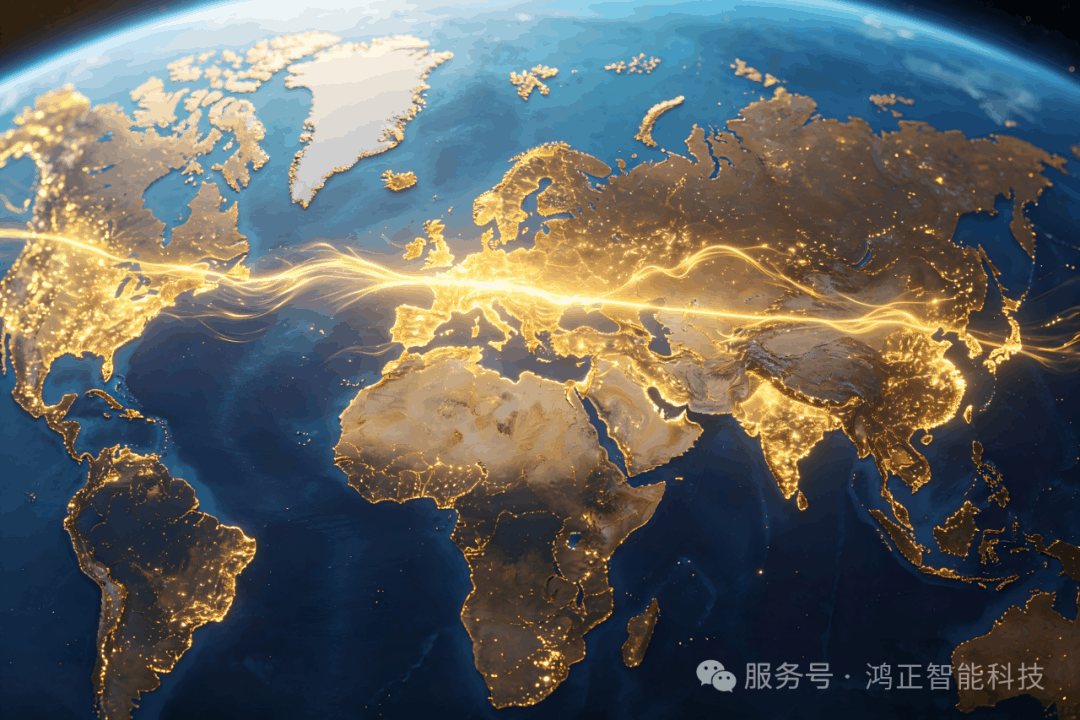
This complementarity in time and space is not just a technical optimization but also reshapes the underlying logic of energy security. In traditional times, wherever oil was buried, there was discourse power, and resource-rich and consumer countries were locked in a year-round tug-of-war with consumers. The global energy internet shifts energy security from "resource possession" to "network access"—sunlight and wind are everywhere, and the 45°N photovoltaic belt is just one part. The key is who can connect to this network and efficiently allocate resources within it.
This network, through a resource-sharing mechanism, provides developing countries with the possibility of leapfrog development. The Global Energy Internet Development Cooperation Organization has provided energy transition training to about 10,000 people in over 100 countries, and in April 2026, it jointly launched a global energy transition capacity-building cooperation initiative with the UNFCCC Secretariat to truly bring knowledge resources to life.
Cutting-edge technologies such as ultra-high voltage and smart grids are being opened and transferred to southern countries through the Global Energy Internet Platform, allowing them to avoid repeating fossil energy and directly adopt the most advanced technological solutions. Solar energy in Africa, hydropower in Southeast Asia, and wind energy in Latin America can all enter global markets through interconnected grids, turning resource advantages into tangible economic benefits.
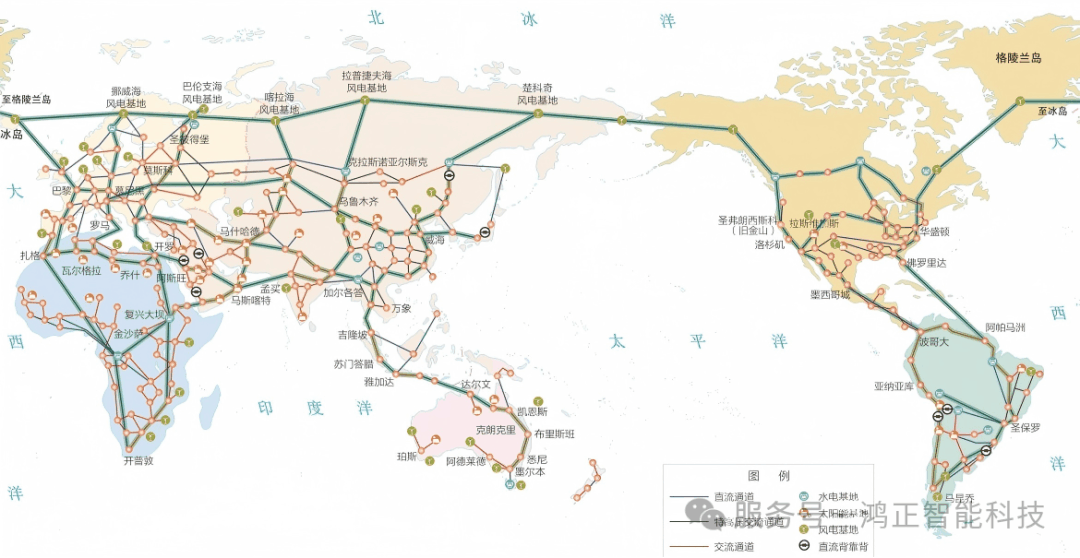
The global energy internet accelerates the response to the common energy dilemma through consultation, joint construction, and shared sharing, helping developing countries achieve accessible and affordable energy transitions. This is not charity, but empowerment; It is not one-way output, but a win-win for both parties. Energy-poor countries enter the green development stage directly through clean electricity input; when high-energy consumption areas lack power, electricity is transferred from the grid and surplus is sent out—countries at different development levels each showcase their strengths and complement each other in the energy transition.
From a corridor to a large network, the true value of the 45°N solar belt is finally unleashed: it is no longer a geographical coincidence but the "ballast stone" of the global clean energy network—carrying the winds of the Arctic and the light of the equator, while delivering stable green electricity to areas lacking electricity.
When clean energy bases from all continents are integrated into the same network, energy shifts from competing for limited underground resources to sharing unlimited above-ground scenery, transforming from zero-sum bargaining chips into universal public goods.
Conclusion
The Silk Road has cracked the "mismatch of natural products" with the sound of camel bells. Today, supported by ultra-high voltage technology, within the framework of the global energy internet, and driven by the "Belt and Road" cooperation, the "energy mismatch" is being resolved, and the scattered "points of light" are accelerating closer.
45°N is not the sun's most generous latitude, but it is the latitude where humanity is most likely to be the first to build an "intercontinental clean energy corridor"—because here it has resources, land, technology, the Silk Road's two-thousand-year interconnection gene, and a future promise of shared and win-win outcomes.
Those chasing the light are also followers of the road. When the first ray of electricity from the Central Asian Gobi lights up the neon lights of Shanghai's Bund via ultra-high voltage lines, camel bells and current will form a handshake that spans two thousand years deep in time and space.
Hot News
-
2026-08-21
- Carbon Nanotubes: The "Black Gold" Inside the Coating Machine Head, The "Super Material" In the Coating Process
- Simply put, carbon nanotubes can be seen as seamless, hollow tubular structures formed by rolling single or multiple layers of graphene (i.e., single-atom thickness layers of carbon atoms). Their diameters are at the nanoscale, and their lengths can reach microns or even millimeters, with an extremely high aspect ratio.
-
2026-08-13
- Air-Floating Shock Absorbing: The "Invisible Guardian" Behind Coating Precision
- On high-precision coating production lines, there is a dilemma that almost every process engineer has experienced: while the coating head, feeding system, and temperature and humidity control parameters all meet standards, the film surface repeatedly shows horizontal lines
-
2026-05-20
- Building a Global Energy Internet: Enabling Clean Energy to Cross Mountains and Seas for Global Sharing
- Currently, the global energy landscape is undergoing profound adjustments. Fossil fuels still account for more than 80% of primary energy consumption, with challenges such as tightening resource constraints, intensifying climate warming, and insufficient access to electricity in some regions.
-
2026-05-14
- Light Chasing Chronicle: A "Sunlight Relay Race" Across Half the Earth
- Have you ever wondered: the sun never works overtime, but humans need electricity 24 hours a day?